

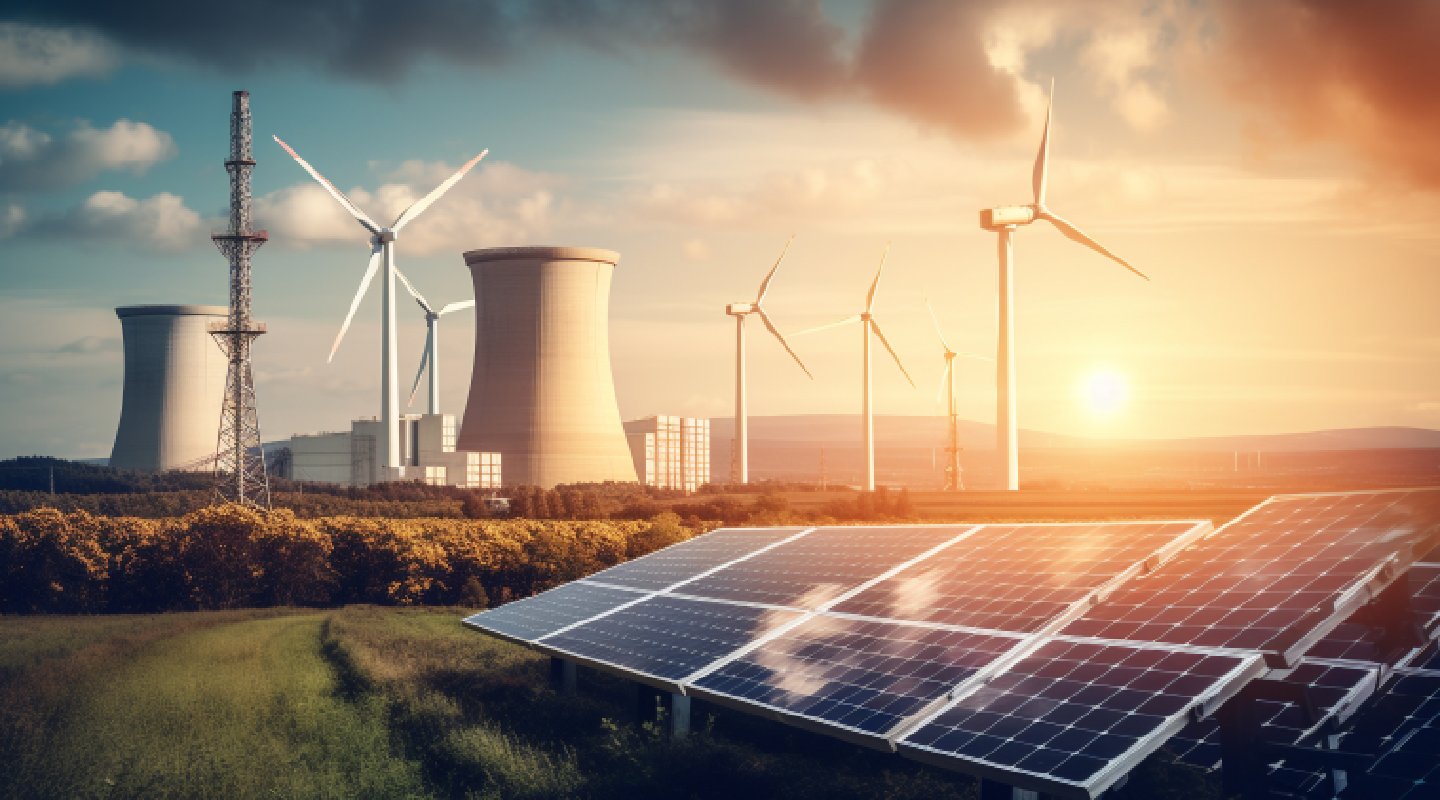
Renewable energy is becoming increasingly important as countries look to reduce fossil-fuel dependence and strengthen their energy security. Rising concerns about carbon emissions have also encouraged governments and businesses to reconsider how electricity is generated.
Sri Lanka has considerable renewable-energy potential, supported by year-round sunlight, suitable wind resources, and established hydropower infrastructure. Understanding why renewable energy is important requires examining these resources, their benefits and the challenges involved in adopting cleaner energy systems.
To understand what is renewable energy, consider where electricity comes from. Renewable energy is generated using resources that replenish naturally, unlike coal, oil and natural gas, which exist in finite quantities.
Often called clean or green energy, renewable power can reduce the environmental impact of electricity generation while supporting a more resilient energy system.
Different renewable energy sources use naturally occurring processes to generate electricity or heat.
Solar photovoltaic (PV) panels convert sunlight directly into electricity. Installations range from residential rooftop systems to large commercial and utility-scale projects.
Wind turbines capture the movement of air through rotating blades connected to generators. Their effectiveness depends heavily on local wind conditions.
Hydropower uses flowing or stored water to drive turbines that generate electricity. It already contributes significantly to Sri Lanka’s electricity supply.
Geothermal systems harness heat beneath the Earth’s surface for electricity generation or direct heating applications.
Biomass uses organic materials, including agricultural residues, to produce usable energy through processes such as combustion or anaerobic digestion.
Renewable energy and sustainability go hand in hand, as generating electricity from naturally replenishing resources can help reduce environmental damage and dependence on fossil fuels.
Renewable power can help countries:
Solar and wind systems generate electricity without burning fossil fuels during operation. This can significantly reduce emissions compared with conventional thermal power generation.
Generating electricity from domestic resources reduces exposure to international fuel prices. For Sri Lanka, this can help limit dependence on imported fuels.
Renewable-energy projects create opportunities for local engineering and technical services. Solar installations can also reduce electricity purchases over their operating lifetime, depending on system performance and costs.
Distributed renewable generation can diversify electricity supply. With appropriate battery storage, certain systems can maintain power to selected equipment during grid interruptions.
Sunlight and wind replenish naturally, making them suitable for long-term electricity generation. Nevertheless, responsible installation remains important to minimise environmental impacts.
Sri Lanka’s tropical climate provides favourable conditions for solar electricity generation. Wind resources and existing hydropower facilities offer further opportunities to diversify the national energy mix.
For commercial and industrial organisations, the advantages of solar energy include generating electricity on-site and potentially reducing grid electricity costs.
Rooftop installations can make productive use of existing building space, while ground-mounted systems may suit businesses with sufficient available land. Appropriate system sizing is essential to achieving worthwhile returns.
Advances in solar PV technology are improving conversion efficiency, while battery storage is becoming increasingly important for managing variable electricity generation.
Smart energy-management systems can help businesses monitor consumption and coordinate electricity use with available generation.
These developments address several challenges of renewable energy, particularly intermittency and electricity-network integration. As technologies improve, renewable systems are becoming increasingly practical for commercial and industrial applications.
Renewable energy can help Sri Lanka reduce fossil-fuel dependence while supporting long-term energy security. Solar generation and battery storage offer businesses practical opportunities to manage electricity requirements more sustainably.
DIMO supports this transition through renewable-energy solutions, including rooftop and ground-mounted Solar PV Systems. Its offering also includes customised Battery Energy Storage Solutions, covering design through commissioning, alongside end-to-end Solar PV Engineering, Procurement and Construction (EPC) services for commercial and industrial projects.
Explore DIMO’s renewable-energy solutions to identify suitable technologies for your organisation’s electricity requirements and sustainability objectives.