

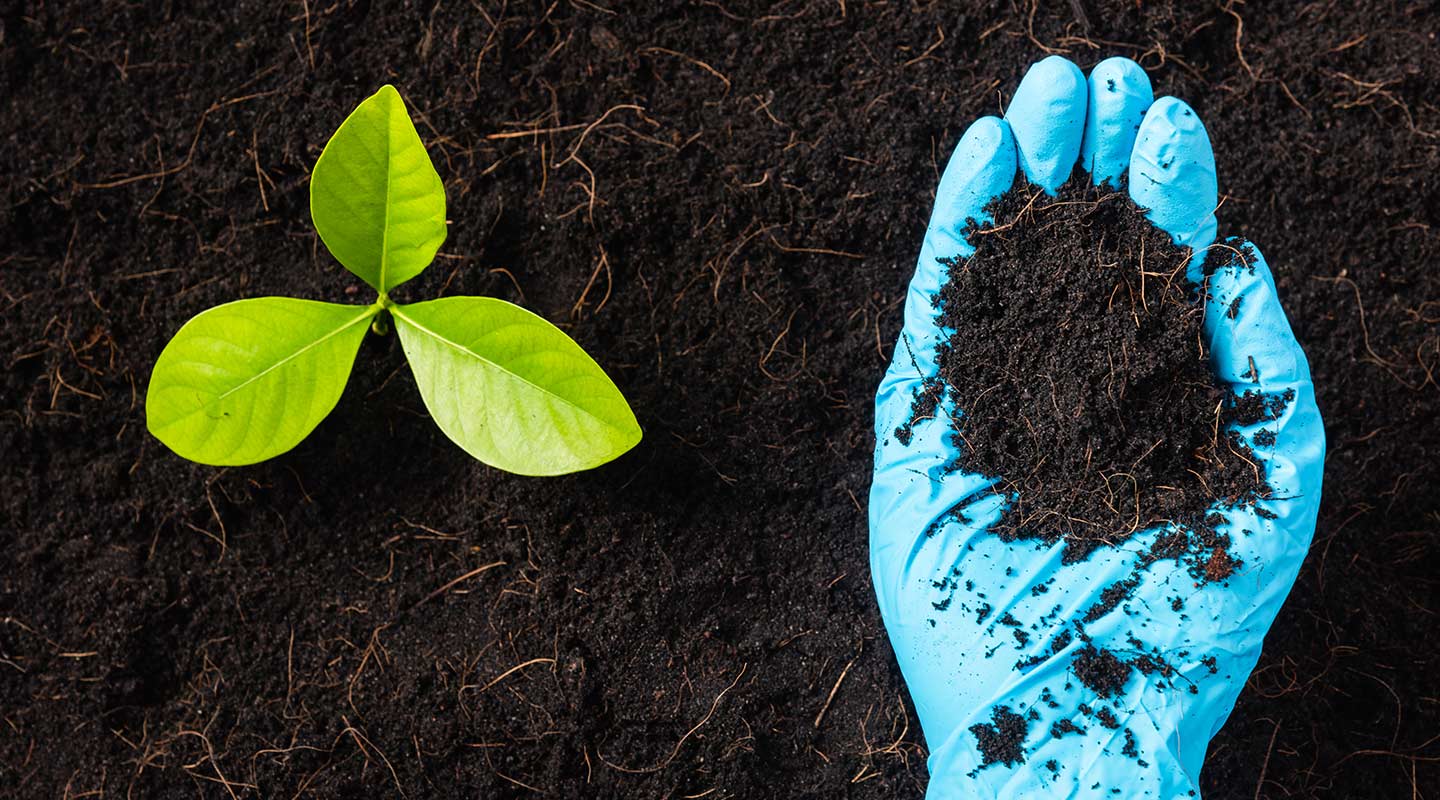
Healthy soil is the foundation of reliable crop production. Across Sri Lanka, interest in organic fertilisers is growing as farmers look for practical ways to improve degraded soils, manage input costs and reduce dependence on synthetic products.
Choosing the right organic fertilizer in Sri Lanka requires more than selecting anything labelled natural. Farmers must consider the crop, soil condition, nutrient content and local climate. When correctly incorporated into a broader nutrient plan, organic inputs can improve soil health and support productivity over successive growing seasons.
What are organic fertilizers in practical terms? They are nutrient sources made from plant matter, animal materials or naturally occurring minerals. Common examples include compost, poultry manure, bone meal and rock phosphate.
Inorganic fertilisers generally contain concentrated nutrients that are quickly available to plants. Organic fertilisers usually release nutrients more gradually as microorganisms break down their materials. They also add organic matter that feeds soil organisms and contributes to long-term fertility.
This slower action means organic products must be selected carefully. DIMO Agri supports farmers with scientifically evaluated fertiliser solutions suited to different crops and soil types rather than relying on a single approach for every farm.
The benefits of organic fertilizers depend on product quality, correct application and consistent soil management. Suitable inputs can:
These changes take time. Organic fertilisers are therefore most effective when used according to soil test results and crop requirements, with progress monitored over several growing cycles.
Cow manure and poultry litter add organic matter while supplying nitrogen, phosphorus and potassium in varying amounts. Bone meal is primarily a phosphorus source, while fish emulsion provides nutrients in a more readily available form. Manure should be properly composted to reduce pathogens, weed seeds and the risk of damaging crops.
Compost is produced by decomposing crop residues and other biodegradable materials under controlled conditions. Seaweed products can provide trace elements, while alfalfa meal and soybean meal release nitrogen as they break down. Wood ash supplies potassium and raises soil pH, making soil testing important before application.
Rock phosphate is a slow-release phosphorus source that generally performs better in acidic soils. Limestone supplies calcium and raises soil pH, while dolomitic limestone also provides magnesium. Greensand, langbeinite and rock dust contain different minerals, but they should only be applied where soil conditions and crop needs justify their use.
Sri Lanka’s paddy, vegetable and plantation sectors operate across markedly different soils and climatic zones. High temperatures accelerate the decomposition of organic matter, while heavy rainfall can contribute to erosion and nutrient loss. Regularly replenishing soil organic matter can therefore play an important role in maintaining tropical agricultural soils.
Locally sourced compost, crop residues and animal manure may also reduce input costs over time. However, farmers considering eco friendly fertilizers should verify their nutrient content, maturity and suitability rather than assuming every organic product will produce the same results.
Local evaluation is particularly important. DIMO Agri supports farmers by providing fertiliser solutions that are tested across different crops, soil types and growing locations in Sri Lanka.
Organic fertilisers can improve soil condition while supporting more sustainable crop production. Farmers can begin gradually by testing their soil, choosing properly evaluated products and integrating suitable organic inputs into existing nutrient plans.
Explore DIMO’s Agriculture solutions for trusted agricultural inputs and expert guidance suited to Sri Lankan farms.